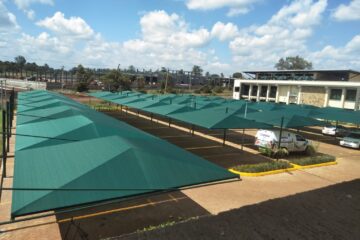
Parking lots at schools, hospitals, and malls are more than just spaces to leave vehicles—they are high-use areas that directly impact user experience and operational efficiency.
Installing commercial car shades can mitigate these issues while enhancing the overall value of the facility. This guide is designed to help facility managers, administrators, and property owners make informed decisions about commercial car shade systems.
Commercial Car Shade Installation Guide

Key Factors to Consider Before Installation
Installing commercial car shades requires careful planning to ensure functionality, safety, and longevity. Facility managers must consider several critical factors before committing to a design or vendor.
Available Space & Layout Planning
Before installation, assess the parking lot’s size and layout:
-
Number of vehicles: Determine peak occupancy to size the shade structure accordingly
-
Traffic flow: Plan for smooth entry, exit, and maneuvering of vehicles
-
Emergency access: Ensure shaded areas do not obstruct fire lanes or emergency vehicle access
Proper planning avoids congestion, reduces accidents, and ensures the shade structure meets operational needs.
Environmental & Climate Conditions
Car shades must withstand local climate challenges:
-
Wind zones: Strong winds require reinforced structures and secure anchoring
-
Heat levels: UV-resistant fabrics and reflective surfaces reduce heat buildup
-
Weather durability: Consider rain, hail, snow, or coastal salt exposure when selecting materials
Choosing materials and designs suitable for your climate ensures durability and reduces maintenance costs.
Safety Standards & Local Regulations
Compliance with regulations is non-negotiable:
-
Building codes: Verify local structural requirements and permits
-
Fire safety: Maintain minimum clearance from fire lanes and hydrants
-
Clearance rules: Ensure safe headroom for all types of vehicles, including emergency and delivery trucks
Adhering to standards avoids fines and protects both users and the institution.
Budget & Long-Term Maintenance Costs
-
Assess both initial installation costs and ongoing maintenance
-
Consider fabric replacement, painting or rust prevention for steel frames, and labor costs for cleaning and repairs
-
Weigh cost against durability and user benefits to ensure long-term value
Load-Bearing & Structural Requirements
-
Steel supports must handle the combined weight of the shade and environmental loads such as wind or snow
-
Fabric tensioning systems should maintain shape, prevent sagging, and resist tearing
-
A structural engineer’s consultation is recommended for larger or multi-bay installations
Site Assessment & Preparation
Thorough site assessment ensures that the car shade installation is safe, effective, and optimized for the facility’s needs.
Conducting an Initial Audit
-
Sun exposure mapping: Identify areas that receive maximum sunlight to prioritize shading
-
Parking arrangement: Evaluate existing bays, obstacles, and vehicle types to determine the most efficient layout
Soil Testing & Ground Preparation
-
Importance of a strong foundation: Shade structures must be anchored securely to prevent tipping or structural failure
-
Conduct soil testing to ensure the ground can support steel posts and foundation pads
-
Prepare the site by leveling, compacting soil, and removing obstructions
Designing the Layout
-
Plan entry and exit points to minimize congestion and facilitate traffic flow
-
Maximize the number of parking bays without compromising safety or accessibility
-
Consider reserved spaces for differently-abled visitors and emergency vehicle access
Drainage Planning
-
Proper drainage prevents water pooling, erosion, and damage to both vehicles and the structure
-
Incorporate sloping, gutters, and drainage channels to divert rainwater safely
-
Regular maintenance checks ensure drains remain clear and effective
Step-by-Step Installation Process
The installation of a commercial-grade shade structure is a multi-stage process that requires precision to ensure stability, longevity, and compliance with safety standards.
Foundation Construction
This crucial initial step establishes the structural anchor for the entire system.
-
Excavation: Digging holes for the footings according to the design specifications, ensuring the depth reaches stable soil and adheres to local building codes.
-
Concrete Footings: Pouring reinforced concrete into the excavated areas. Steel rebar cages are typically placed first to provide tensile strength. The footing size and depth are determined by the wind load and the overall size of the structure.
Tip: Anchor bolts must be precisely positioned within the wet concrete using a template to ensure they align perfectly with the steel support base plates.
Erecting Steel Supports
The steel framework forms the skeleton of the shade structure.
-
Anchoring: Once the concrete has cured (typically 7-14 days), the prefabricated steel columns/supports are secured to the anchor bolts on the footings. These are aligned vertically and checked for plumbness.
-
Welding: For larger or more complex structures, overhead beams and trusses are welded or bolted to the columns to create the complete frame. All welds must meet American Welding Society (AWS) standards.
-
Anti-Rust Treatment: After fabrication, steel components receive a protective finish, usually powder-coating or hot-dip galvanization, to prevent corrosion and extend the lifespan of the structure. Touch-up coatings are applied to any areas where the finish was compromised during assembly.
Installing the Shade Fabric or Panels
This step focuses on attaching the actual shading material to the steel framework.
-
Proper Tensioning: For shade fabrics, the material is stretched and secured to the frame using cables, turnbuckles, or specialized hardware. Proper tensioning is vital to prevent flapping, minimize wear, and ensure the structure can efficiently shed rainwater.
-
UV Protection Standards: The selected material (fabric, metal panels, or polycarbonate) must meet specified UV protection standards and light-blockage percentages, which are confirmed during installation. Panels are fixed securely to prevent wind uplift.
Finishing Touches
Final hardware and aesthetic elements are applied for safety and appearance.
-
Bolts, Caps: All exposed structural bolts are tightened and often covered with protective caps to create a cleaner look and prevent injury from sharp edges.
-
Protective Coatings: Additional protective measures, like specialized joint sealants or final coats of protective paint, may be applied.
-
Drainage: Guttering and downspouts are installed on framed structures to manage rainwater runoff away from the parking area.
Safety Inspection & Structural Testing
The final sign-off ensures the installation is safe, secure, and compliant.
-
A final inspection is conducted by a certified engineer to verify that the structure adheres to all engineered drawings, local building codes, and safety standards for wind, snow, and seismic loads.
-
Documentation of material specifications, coating standards, and engineering sign-off is provided to the facility owner.
Benefits of Hiring a Professional Installation Company
Using experienced specialists ensures your project meets the highest standards for safety and durability.
Expertise & Compliance
Professional installers possess detailed knowledge of local building codes, zoning regulations, and required wind/snow load standards, ensuring the structure is fully compliant and legally sound.
Quality Materials & Warranties
Reputable companies use high-grade, commercial-quality materials and provide strong warranties covering both the structure and the installation labor, protecting your investment long-term.
Accurate Structural Engineering
Professionals rely on certified structural engineers to design foundations and steel frameworks tailored to your specific site conditions, preventing structural failure and ensuring longevity.
Faster, Safer Installations
Experienced crews work efficiently, minimizing disruption to your facility’s operations. They also adhere to strict job site safety protocols, significantly reducing risk and liability during the construction phase.
Importance of Car Shades in Public & Commercial Spaces
Installing commercial car shades goes beyond simply providing shelter; it plays a critical role in protecting vehicles, enhancing comfort, and improving the overall experience for visitors and staff.
Protecting Vehicles from Heat & UV Rays
Prolonged exposure to the sun can cause significant damage to vehicles, including:
-
Fading of paintwork and dashboards
-
Cracking of interior materials such as leather or plastics
-
Degradation of tires and trim due to UV exposure
Commercial car shades act as a barrier, minimizing heat buildup and UV damage, preserving both the aesthetic and functional value of vehicles over time.
Enhancing Visitor & Staff Comfort
A shaded parking lot ensures that vehicles remain cooler, which directly improves comfort for:
-
Students and staff at schools
-
Patients and visitors at hospitals
-
Shoppers and employees at malls
Cooler vehicles reduce the need for air conditioning, lower fuel consumption for climate control, and make entry and exit from vehicles more comfortable, especially during peak sun hours.
Improving Facility Reputation
Well-planned, shaded parking areas send a clear message: your institution prioritizes quality and care. Benefits include:
-
Increased visitor satisfaction and loyalty
-
Professional and organized appearance of the facility
-
Added property value, as shaded parking is considered an attractive amenity
Safety & Health Benefits
Car shades contribute to safety and health by:
-
Reducing the risk of children or elderly individuals being exposed to overheated car interiors
-
Minimizing heat-related discomfort for staff, patients, and visitors
-
Encouraging safer parking habits by clearly marked and structured shaded areas
In conclusion,
Implementing commercial car shades is more than just an aesthetic upgrade; it is a strategic investment that delivers tangible benefits across diverse institutional settings. From securing a high ROI through enhanced customer experience at malls, to ensuring operational efficiency and safety at hospitals and schools, the value is clear.
By adhering to a rigorous, professional installation process and maintaining the structure through regular inspections and cleaning, facilities can guarantee the longevity and stability of their shade systems.
Ultimately, partnering with a specialized installation company like primeshades ensures quality, compliance, and accurate structural engineering, cementing the commercial car shade structure as an essential, high-value asset for modern infrastructure.