
Choosing the right fence is one of the most important decisions when securing your property. Among the most popular perimeter fencing options today are Clearview fences and Chain Link fences. Both fencing types serve the purpose of boundary definition and protection, but they differ significantly. In this article, we will compare Clearview Fence vs Chain Link Fence in detail. By the end, you’ll have a clear understanding of which option best meets your security needs.
Clearview Fence vs Chain Link Fence
Clearview Fence
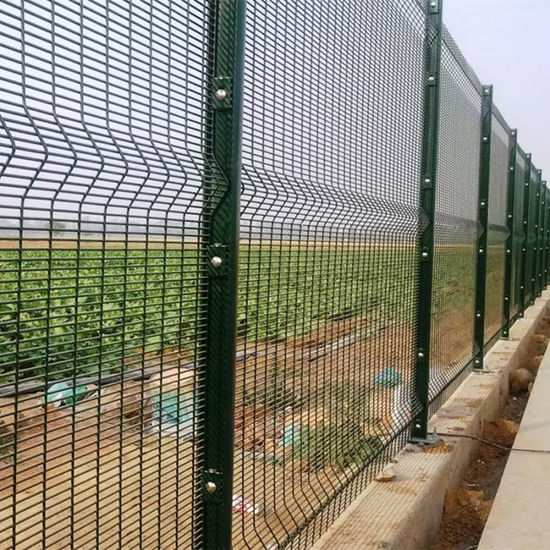
Clearview fence is a high-security fencing system made from rigid, welded mesh panels. It features narrow, closely spaced vertical and horizontal steel wires that are welded at each intersection to form a strong, anti-climb barrier. The small mesh apertures make it extremely difficult to cut, climb, or gain a foothold.
Design:
Clearview fencing consists of flat or profiled mesh panels attached to steel posts using tamper-proof fasteners. The tight mesh spacing enhances visibility while maintaining maximum security.
Materials:
It is typically manufactured from high-tensile galvanized steel and finished with a powder coating for additional corrosion resistance and durability.
Typical Uses:
Clearview fences are commonly installed in high-security areas such as:
- Schools and universities
- Industrial sites and warehouses
- Commercial buildings
- Government facilities
- Residential estates requiring enhanced security
Its combination of strength, visibility, and modern appearance makes it ideal where security and aesthetics are both important.
Chain Link Fence
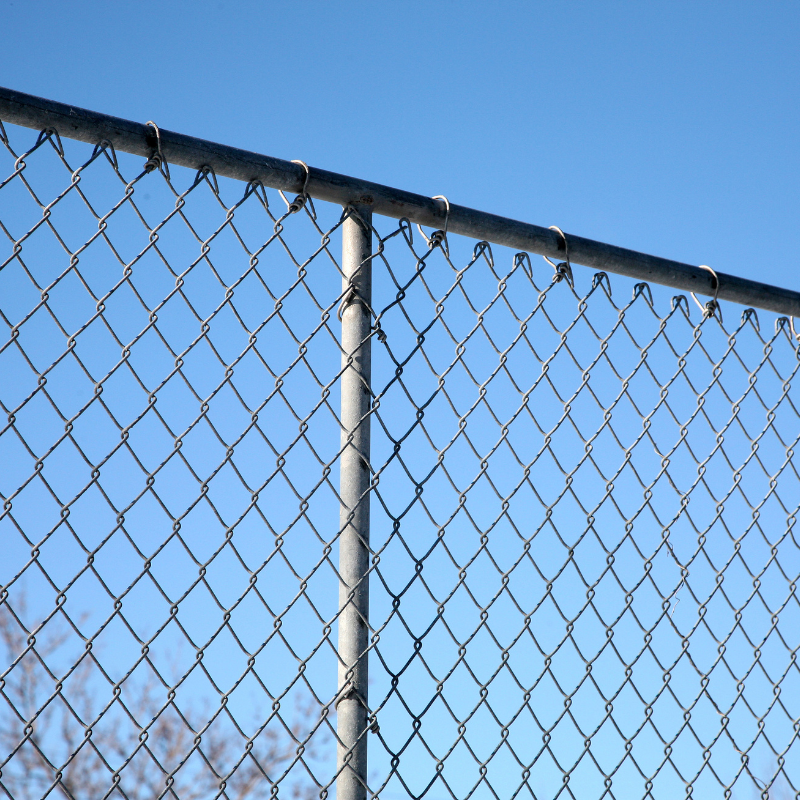
A Chain Link fence is a woven fencing system made from interlocking steel wires bent into a diamond pattern. It is one of the most widely used fencing types due to its affordability and ease of installation.
Design:
Chain Link fencing consists of flexible mesh fabric stretched between metal posts and secured along the top and bottom with tension wires or rails.
Materials:
It is typically made from galvanized steel wire, and in some cases coated with PVC for added weather resistance and extended lifespan.
Typical Uses:
Chain Link fences are commonly used for:
- Residential boundaries
- Sports fields and playgrounds
- Construction sites
- Light commercial properties
- Agricultural enclosures
While it provides basic security and clear visibility, Chain Link fencing is generally considered more suitable for low to medium security applications.
Understanding these two fence types helps property owners choose the right solution based on security requirements, budget, and long-term performance expectations.
Security Features Comparison
When choosing between Clearview and Chain Link fencing, understanding how each performs in terms of security is essential. Below is a detailed comparison based on key security factors.
Visibility and Deterrence
Clearview Fence:
Clearview fencing offers excellent visibility due to its narrow welded mesh design. The clear sightlines allow property owners, security personnel, and CCTV cameras to monitor both sides of the perimeter without obstruction. At the same time, its rigid structure and professional appearance send a strong visual message that the property is well-protected, acting as a powerful deterrent to potential intruders.
Chain Link Fence:
Chain Link fencing also provides good visibility because of its open diamond-pattern mesh. It allows for easy monitoring and does not create blind spots. However, visually, it is often perceived as a standard or light-security fence, which may not deter determined intruders as effectively as a high-security Clearview system.
Physical Strength and Durability
Clearview Fence:
Clearview fencing is designed specifically for high-security environments. The welded intersections and small mesh apertures make it extremely difficult to cut using standard tools. Its anti-climb design prevents intruders from gaining footholds, and the rigid panels resist bending or forced entry. This makes it highly resistant to breaching attempts.
Chain Link Fence:
Chain Link fencing is flexible by design. While durable under normal conditions, it is generally easier to cut with bolt cutters. The larger mesh openings can also make climbing easier compared to Clearview fencing. Although it provides basic security, it is less resistant to determined tampering or forced entry.
Height and Customization Options
Clearview Fence:
Clearview fences are available in various heights and can be customized with additional security features such as:
- Razor wire or barbed wire toppings
- Electric fencing integration
- Anti-climb spikes
- Heavy-duty security posts
These enhancements significantly increase perimeter protection, making Clearview suitable for high-risk or high-value properties.
Chain Link Fence:
Chain Link fences also come in multiple heights and can be upgraded with barbed wire or razor wire. Privacy slats can be added, though they may reduce visibility. While customization is possible, the base structure remains less rigid compared to Clearview, limiting its overall security enhancement potential.
Maintenance and Longevity
Clearview Fence:
Made from galvanized and powder-coated steel, Clearview fencing is highly resistant to corrosion and weather damage. Its rigid panels maintain their shape over time, ensuring consistent security performance with minimal maintenance. Long-term durability supports sustained protection.
Chain Link Fence:
Chain Link fencing, especially when galvanized or PVC-coated, can last many years with proper care. However, due to its flexible structure, it may sag over time or require tightening. If sections are cut or damaged, repairs are generally easier but may compromise security if not addressed promptly.
Overall Security Performance
In terms of pure security strength, Clearview fencing offers superior resistance to cutting, climbing, and forced entry. Chain Link fencing remains a practical and affordable solution for low to medium security needs, but for properties requiring maximum protection, Clearview typically provides stronger long-term security performance.
Additional Considerations
Beyond core security features, several practical factors influence the decision between Clearview and Chain Link fencing. Installation requirements, overall cost, appearance, and the specific use case of the property all play a major role in selecting the right solution.
Installation Complexity and Cost
Clearview Fence:
Clearview fencing typically requires more precise installation due to its rigid panel system and secure fastening methods. The posts must be firmly anchored, and tamper-proof fittings are used to enhance security. As a result, installation can be slightly more technical and may require experienced professionals.
In terms of cost, Clearview fencing is generally more expensive upfront compared to Chain Link. However, its high durability, low maintenance needs, and superior security performance often make it a cost-effective long-term investment—especially for properties where security is a priority.
Chain Link Fence:
Chain Link fencing is easier and faster to install. The flexible mesh is stretched between posts and secured with tension wires, making it a straightforward process. Because of its simpler design and lower material cost, it is typically more affordable.
For budget-conscious projects or large perimeter areas, Chain Link offers a practical solution. However, lower upfront costs may come with trade-offs in long-term security strength.
Aesthetics and Neighborhood Regulations
Clearview Fence:
Clearview fencing has a modern, clean, and professional appearance. Its sleek welded mesh panels create a neat finish that blends well with contemporary residential estates, commercial buildings, and corporate environments. Because of its unobtrusive design and high visibility, it is often accepted in neighborhoods with strict aesthetic guidelines.
Chain Link Fence:
Chain Link fencing has a more industrial or utilitarian look. While functional, it may not provide the same premium appearance as Clearview. In some residential neighborhoods or high-end developments, aesthetic regulations may favor more modern fencing solutions. However, for sports fields, construction sites, or agricultural areas, Chain Link remains widely accepted.
Balancing security needs with visual appeal is important, particularly in residential estates or commercial properties where brand image matters.
Use Case Scenarios
Residential Properties:
- Clearview fencing is ideal for gated communities, high-end homes, and properties requiring enhanced security with a modern look.
- Chain Link fencing suits standard residential boundaries where basic security and affordability are priorities.
Commercial Properties:
- Clearview fencing works well for offices, schools, shopping centers, and apartment complexes where both security and professional appearance are important.
- Chain Link is suitable for low-risk commercial spaces or temporary enclosures.
Industrial Facilities:
- Clearview fencing is highly recommended for warehouses, factories, and high-value storage facilities due to its anti-climb and anti-cut properties.
- Chain Link may be used for large industrial areas where cost efficiency is essential, often enhanced with barbed wire for added security.
How to Make the Right Choice
Ultimately, the decision between Clearview and Chain Link fencing depends on your security level requirements, budget, property type, and aesthetic preferences. For high-security applications and long-term durability, Clearview fencing generally offers stronger performance. For cost-effective boundary marking and moderate security, Chain Link fencing remains a reliable option.
For professional guidance, quality materials, and expert installation services, consider working with Prime Car Shades Kenya. Their team can help you assess your property’s security requirements and recommend the most suitable fencing solution for residential, commercial, or industrial applications.