What are The Best Car Parking Shade Options
Shade Net Car Shades
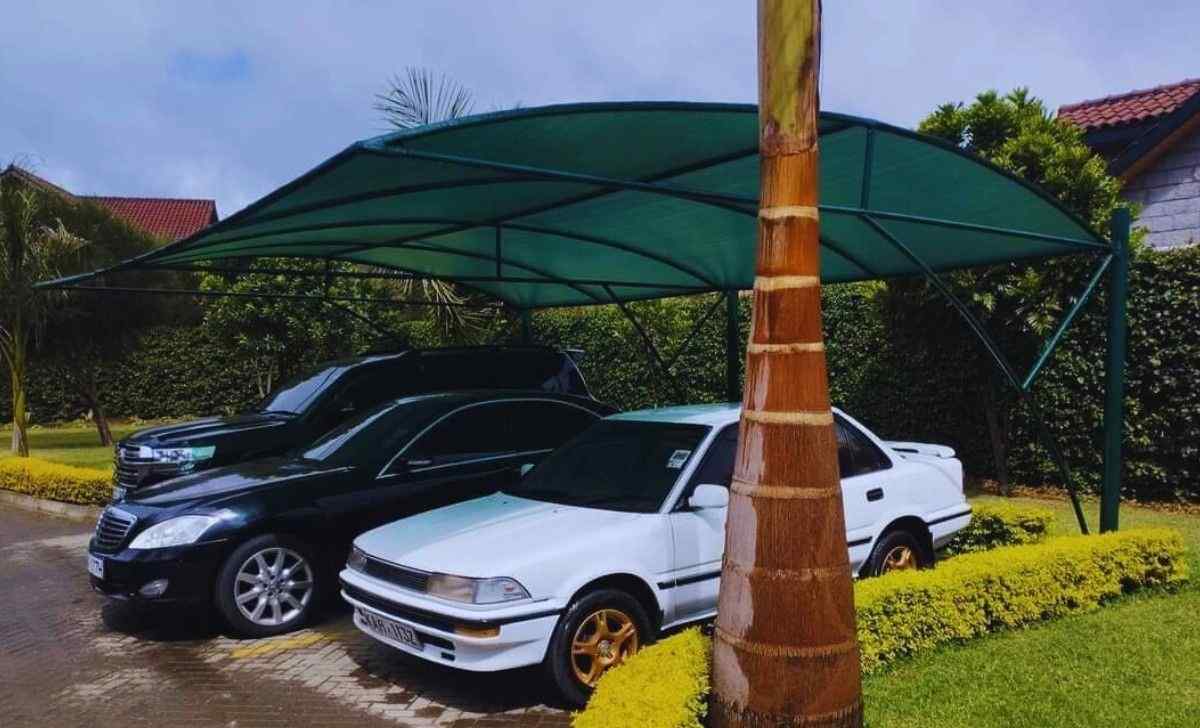
Shade net car shades are made from high-density polyethylene (HDPE) or PVC fabrics. They are available in cantilever, dome, or sail designs, making them versatile for different parking layouts. These shades allow airflow while providing strong UV protection, helping keep cars cool without completely blocking light or ventilation. They are ideal for properties looking for a cost-effective, durable, and visually appealing option.
Metal Car Sheds
Metal car sheds, typically constructed with iron sheets or steel roofs, offer full protection against rain, dust, and debris. They are highly durable and long-lasting, making them suitable for regions with heavy rainfall. However, metal sheds can retain heat, so proper ventilation or insulation may be needed to keep cars cooler during hot weather.
Tensile or Sail Shades
Tensile or sail shades are a modern choice, offering flexible coverage that can accommodate multiple vehicles of varying sizes. These shades are designed to withstand strong winds and harsh weather, making them both durable and visually striking. Their sleek, contemporary appearance often complements modern apartment complexes and estates.
Multi-Bay Shades
For large estates or apartment parking lots, multi-bay shades are the most efficient solution. These modular systems can cover multiple vehicles in rows, and their expandable design allows for future growth as parking needs increase. They combine durability, convenience, and aesthetics, making them an excellent choice for properties with high vehicle capacity.
Factors Affecting Choice of Car Shades
Number of Vehicles
The number of vehicles a property needs to accommodate directly influences the type of shade required. Single-bay shades are ideal for individual apartments or small parking spots, while multi-bay shades are more suitable for large estates or apartment complexes with multiple vehicles. Planning the number of bays ensures efficient use of space and prevents congestion.
Climate Considerations
Climate plays a crucial role in determining the type of shade. In areas with high temperatures and intense UV exposure, materials like HDPE nets or tensile shades provide optimal protection while allowing airflow. Conversely, regions with heavy rainfall may benefit from metal sheds or waterproof fabrics to shield vehicles from water and debris.
Space Availability
The available parking space dictates the design and placement of shades. Narrow or irregularly shaped parking areas may require flexible solutions like cantilevered or sail-style shades, whereas open lots can accommodate larger multi-bay structures. Proper planning ensures maximum coverage without compromising vehicle accessibility.
Budget
Budget considerations often determine material choice and design complexity. While HDPE shade nets are generally more affordable upfront, metal sheds and tensile structures offer longer durability and lower long-term maintenance. Balancing initial cost with expected lifespan and maintenance needs is key to making a financially sound decision.
Approximate Pricing Guide
Residential Single-Bay Shades
- Standard HDPE Shade Nets: Typically range between KES 25,000 – KES 50,000 per bay, depending on size and quality of fabric.
- Metal Sheds: Prices start around KES 60,000 and can go up to KES 120,000 per bay, factoring in steel quality and roofing type.
Multi-Bay Shades
- Price per Bay for Apartments or Estates: Multi-bay HDPE shades generally cost KES 40,000 – KES 70,000 per bay, while metal multi-bay sheds range from KES 90,000 – KES 150,000 per bay.
- Modular Pricing for Scalable Projects: Many suppliers offer modular systems that allow estate managers to expand coverage gradually. The cost per additional bay may reduce when purchased as part of a larger project.
Optional Upgrades
- Waterproof Fabric: Adds KES 5,000 – KES 10,000 per bay for added rain protection.
- Colored Nets: Enhances aesthetics; prices range from KES 3,000 – KES 8,000 extra per bay.
- Reinforced Steel Frames: Improves durability, especially in windy areas, costing an additional KES 10,000 – KES 20,000 per bay.
Long-Term Value
While initial costs are important, long-term value should guide your choice. HDPE shades may require fabric replacement every 5–7 years, whereas metal sheds and tensile structures, though costlier upfront, often last 15–20 years with minimal maintenance. Investing in durable materials can save money and reduce hassle over time.
Installation Considerations
Site Preparation
Proper site preparation is the first step in ensuring a safe and effective car parking shade installation. The area should be cleared of any obstacles, leveled, and measured accurately to accommodate the planned shade design. Marking the positions for posts and foundations is crucial, especially for multi-bay structures, to maintain alignment and maximize space utilization.
Professional Installation
Engaging professional installers is highly recommended for both safety and longevity. Experienced technicians ensure that the framework is structurally sound, the fabric is correctly tensioned, and all safety standards are met. Professional installation minimizes risks of collapse, uneven shading, or damage during adverse weather conditions.
Maintenance Tips
Regular maintenance extends the lifespan of your car parking shades:
- Fabric Cleaning: Wash or brush off dust, leaves, and bird droppings regularly to prevent staining and fabric degradation.
- Checking Bolts and Fasteners: Periodically inspect all structural bolts and connections to ensure stability. Tighten or replace any loose or rusted components.
- Seasonal Inspections: After heavy rains, winds, or storms, check for sagging fabric, bent frames, or debris accumulation to prevent long-term damage.
Importance of Car Parking Shades in Apartments & Estates
Vehicle Protection
Car parking shades provide essential protection from environmental hazards that can significantly reduce a vehicle’s lifespan. High UV exposure and intense heat can cause paint fading, interior cracking, and tire deterioration over time. By installing proper shading, residents can ensure their vehicles remain in optimal condition, reducing maintenance costs and enhancing resale value.
Enhancing Property Value
Well-designed and modern car parking shades contribute to a polished and organized parking area. For apartments and estates, this aesthetic appeal is a strong selling point. Prospective tenants or buyers are often attracted to properties with clean, safe, and visually appealing parking spaces, making shades an investment that boosts property value.
Comfort and Convenience
Shaded parking areas offer a more comfortable experience for residents. Vehicles remain cooler, making them immediately ready for use without the discomfort of a hot interior. Additionally, properly planned shades create organized parking spaces, reducing the risk of accidents and ensuring smoother traffic flow within the property.