What Factors Affect Fabric Requirements
Size of the Parking Area
The size of your parking space is the primary factor in determining how much fabric you will need.
- Single bay vs double bay vs multi-bay: A single-car shade obviously requires less fabric than a double-car or multi-bay structure. Knowing the number of vehicles you plan to cover will guide your fabric estimate.
- Length and width measurements: Measure the exact length and width of your parking area. Accurate measurements are critical to ensure full coverage and avoid shortages or wastage.
Shade Design
The type of shade significantly influences fabric requirements:
- Cantilever shades: These shades have a protruding roof without front posts, often requiring less fabric on the sides but careful calculation of overhang.
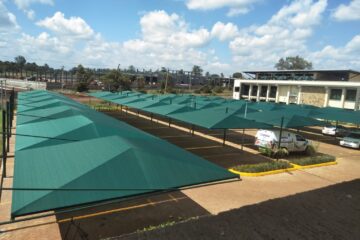
- Dome/arch shades: Arched or dome-shaped shades require extra fabric to accommodate curves and peaks.
- Tensile/sail shades: Sail-style shades often require additional material to allow for proper tensioning and to prevent sagging between anchor points.
Fabric Overlap and Tensioning
When installing shade nets, you must account for:
- Extra fabric for folding and stitching: Seams, hems, and attachments consume additional material.
- Wind tension and mounting: Proper tensioning may require adding extra fabric so the shade stretches correctly without tearing or sagging.
Side Panels or Additional Coverage
Optional side walls or panels offer added protection from UV rays, rain, or dust.
- Extra fabric for walls: If your design includes side panels, calculate the height and length of each panel and add it to your total fabric requirement.
Fabric Density and Type
Different fabrics behave differently under tension:
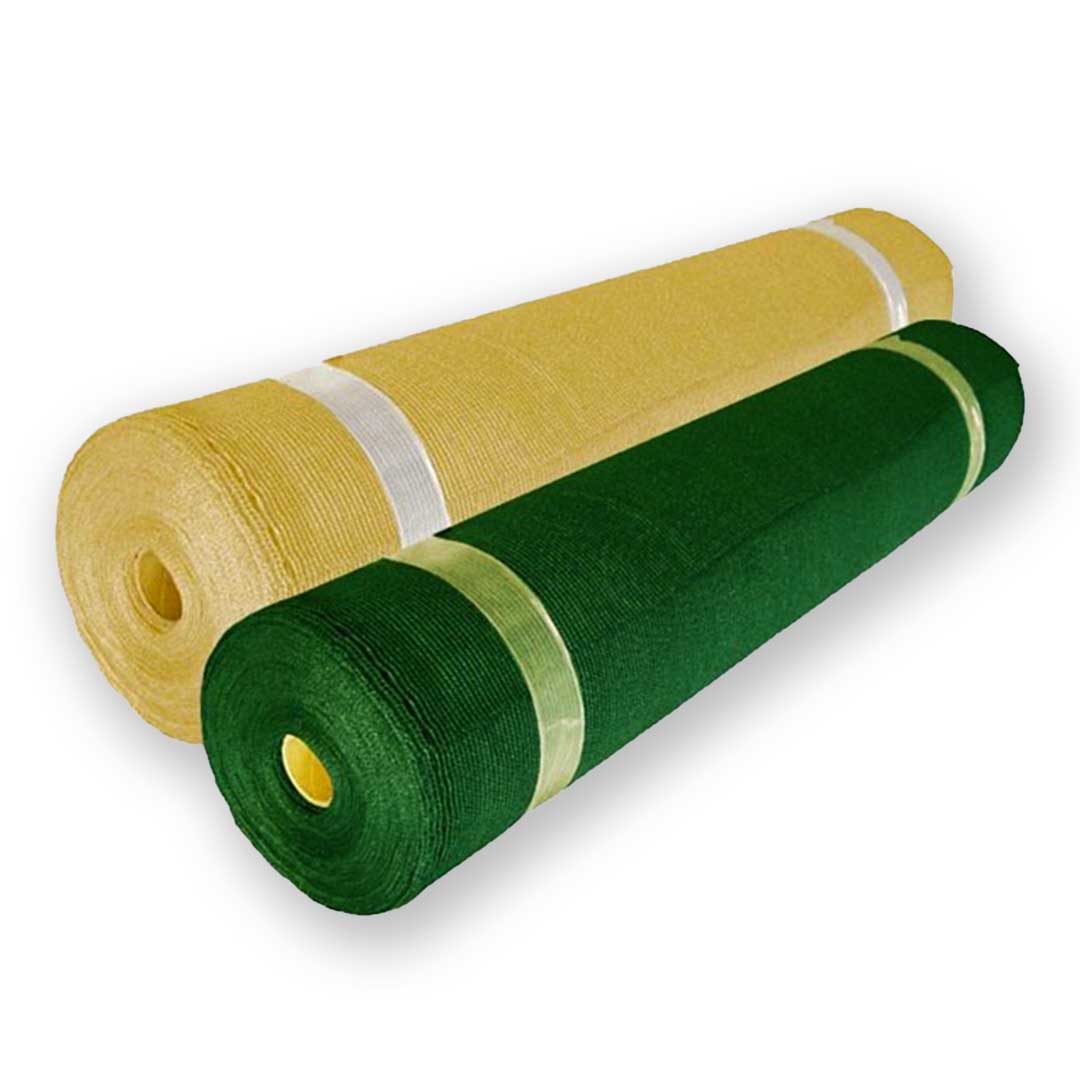
- HDPE vs PVC: Denser materials like PVC may need slightly more allowance for proper stretching. Lightweight HDPE is easier to tension but may require extra overlap for durability.
How to Calculate Fabric Needed
Measure Length and Width of the Area
- Measure the total length of your parking bay from front to back.
- Measure the width across the parking bay.
- For multi-bay structures, multiply the width by the number of bays.
Add Extra for Seams, Attachments, and Shrinkage
- Add 10–15% extra to your measurements to account for stitching, folds, or shrinkage during installation.
Account for Shape and Design
- For sloped or angled shades, add the height difference to the fabric length to ensure proper coverage.
- For arched or pyramid designs, calculate the fabric along the curve rather than just the base dimensions.
Example Calculation
Single-bay cantilever shade:
- Length: 5m, Width: 3m
- Add 10% extra for seams → 5.5m x 3.3m
- Total fabric needed ≈ 18.15 m²
Multi-bay sail shade (3 bays):
- Each bay: 4m x 5m
- Total base: 3 x 4m = 12m width, 5m length
- Add 12% extra for seams/tension → 12 x 1.12 = 13.44m width, 5.6m length
- Total fabric needed ≈ 75.26 m²
This approach ensures you have enough material for proper installation, optimal coverage, and long-lasting performance.
Tips to Avoid Wasting Fabric
Order Slightly More Than Calculated
It is always better to order a little extra fabric than exactly what you calculated. This buffer prevents shortages during installation and allows for minor adjustments or errors in measurement. Typically, an additional 5–10% is sufficient for most car shade projects.
Consider Modular Fabric Panels
Using modular panels instead of one large piece of fabric offers several advantages:
- Easier replacement: If a section becomes damaged, you only need to replace that panel, saving cost and effort.
- Reduced waste: Smaller panels allow you to cut fabric more efficiently and minimize leftover scraps.
Consult a Professional Installer
Professional installers have experience in accurately measuring and cutting fabric for different shade designs. Consulting an expert helps:
- Avoid over-ordering or under-ordering fabric.
- Ensure proper tensioning and attachment points.
- Account for unique site conditions such as slopes, wind exposure, or irregular dimensions.
Common Mistakes in Fabric Estimation
Even with careful planning, some common errors can lead to wasted material or insufficient coverage:
- Ignoring tensioning and overlaps: Failing to account for the extra fabric needed for seams and proper tension can lead to sagging or gaps.
- Forgetting side panels or extra coverage: Not including optional walls or side coverage may result in exposure to rain, dust, or harsh sunlight.
- Not factoring in fabric shrinkage or stretching: Some fabrics contract after installation or stretch over time; not accounting for this can reduce durability and coverage.
By following these tips and avoiding common mistakes, you can optimize fabric usage, reduce costs, and ensure a long-lasting car shade net.